ServicesEquipment Installation
Loading Dock Equipment Installation in Lehighton
We install dock levelers, vehicle restraints, overhead doors, high speed doors and rolling grilles at working facilities. Before anything new goes in, we check whether what you have can be repaired, so you only buy new where it truly pays off.
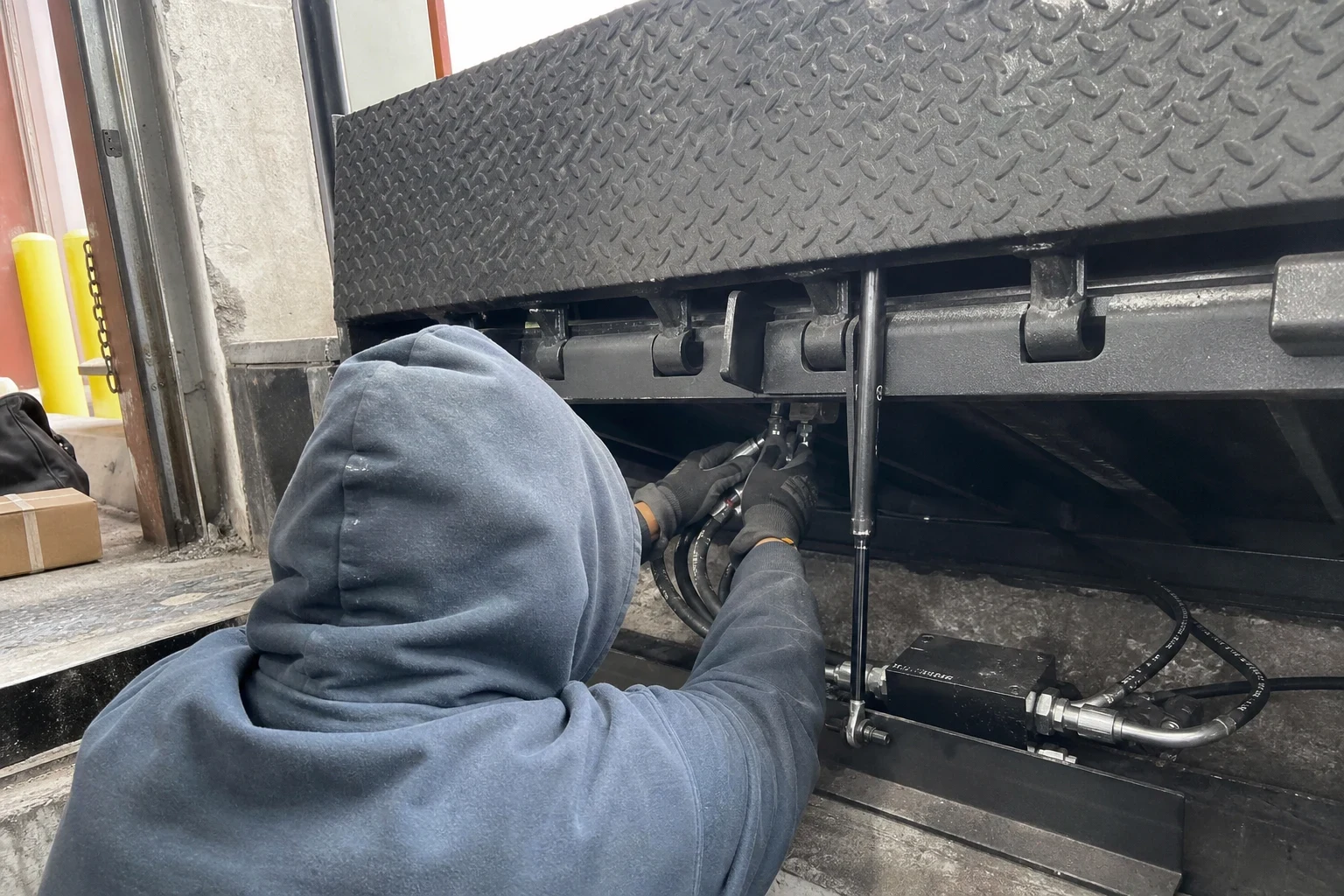
New equipment, when new is the right answer
Installation is the right call when a piece of dock equipment has worn past sensible repair, when your trailers or loads have changed, or when you are adding doors and positions to a warehouse. It is not the right call just because something is old. A dock leveler with a tired hydraulic cylinder or worn lip hinge often has years left once those parts are swapped out.
So we start by looking at what is already there. If a repair makes more sense, we tell you, and our dock levelers page and the rest of our repair work are where that goes. If replacement wins, we explain why in plain terms: a cracked deck frame, a pit that no longer fits the trucks you receive, or parts that are no longer made.
When we do install, the goal is equipment that matches your pit, your trailer heights and your daily traffic, set up so your crew can run it safely from the first shift.
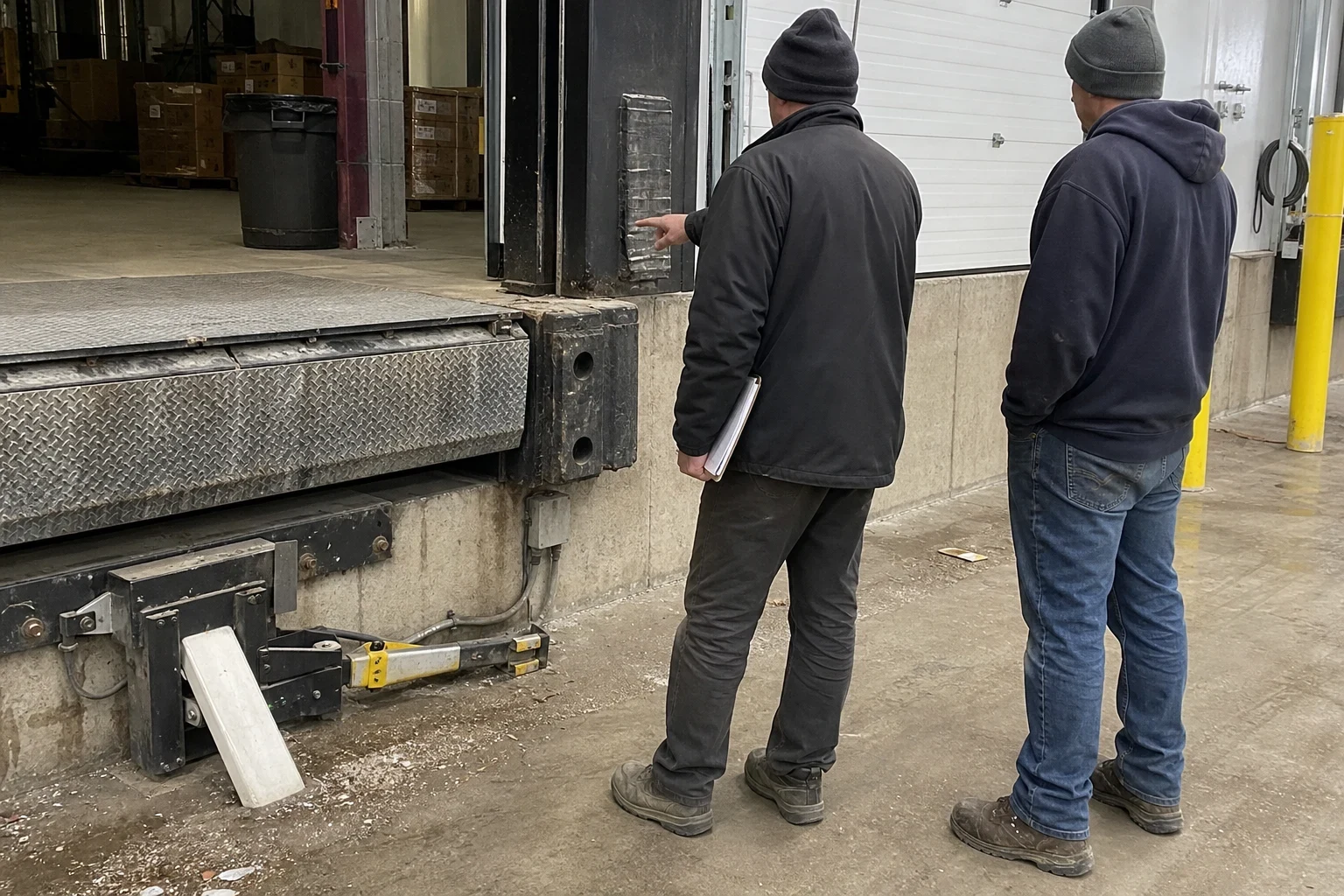
What an installation covers
- 01
Site and pit check
We measure the pit, check the concrete edges and curb angles, and note your typical trailer bed heights. A leveler that is sized wrong for your trucks causes steep ramps and hard landings for forklifts.
- 02
Taking out the old unit
When existing equipment is being swapped, our crew disconnects it, pulls it out and hauls it off site. With the pit exposed, we inspect it closely, since that is where hidden damage tends to turn up.
- 03
Setting and anchoring
New levelers are set level, shimmed and welded or anchored to the embedded steel. Vehicle restraints are mounted to the dock face at the height your trailers need.
- 04
Doors and grilles
We hang overhead doors, high speed doors and rolling grilles, set the tracks and tension, and wire controls so the door and restraint work together where your setup calls for it.
- 05
Controls, testing and walkthrough
Before our crew packs up, each new unit runs through repeated cycles with real weight on it. Then we walk your operators through running it, what each light and signal is telling them, and the quick daily check that keeps it healthy.
Questions about Equipment Installation?
Call(570) 672-5987When new equipment starts to make sense
The same breakdown, again
A leveler or door that goes down every few months, with each fix costing more than the last, may no longer be worth patching. We will put the repair cost next to the cost of new equipment so you can decide.
Your trailers have changed
New carriers, reefer units or lower-deck trailers can leave a leveler working at its limits. Steep inclines slow loading and wear out forklifts.
Structural damage
A cracked deck plate, bent frame or broken pit steel is usually past patching. Freeze-thaw winters can also break down pit edges and curb angles over time.
No trailer restraint at the dock
Trailer creep and early departures are real safety risks at a busy dock. Adding a vehicle restraint is one of the most useful upgrades a facility can make.
Parts are hard to find
Older units sometimes reach the point where key parts are no longer available. Once that happens, every breakdown means longer downtime.
How an install day runs
- 1
A phone call and site visit
You tell us what is going on at the dock. We come out, look at the equipment and the pit, and talk honestly about repairing what you have versus putting in new.
- 2
A written plan
You get a line-item estimate showing the equipment, any pit or concrete work, removal and labor. We agree on which doors go down and when, so receiving can plan around it.
- 3
Install with the dock still working
We work one position at a time where we can, keep the area marked off and keep forklifts clear of our crew. Most single-position installs are done without shutting down the whole dock.
- 4
Test, train and clean up
We cycle everything, walk your team through it and clear out old equipment and debris. You get photos of the finished work for your records.
What drives installation cost
No two pits or door openings are alike, so we set a price after seeing the job in person. Your estimate lists each part of the work separately, so nothing is bundled out of sight. These factors matter most.
- Type of equipment
- What you are putting in sets the starting point. Mechanical and hydraulic levelers differ widely in price and install time, and doors and restraints each bring their own hardware and labor.
- Pit condition
- A pit with sound concrete and straight curb angles is quick to fit. Cracked edges or rusted embed steel need repair before new equipment goes in.
- Number of positions
- Doing several doors in one visit usually saves on setup and travel compared with spreading them out.
- Electrical and controls
- Powered units need the right supply at the dock. Linking doors and restraints with interlocks adds wiring and programming time.
- Removal and scheduling
- Hauling away old units and working off-hours to protect your receiving schedule both factor in.
Installation questions we hear
Will you try to sell me new equipment I don't need?
No. We look first at whether a repair will do the job, and we tell you if it will. Replacement only makes sense when damage, parts availability or a change in your trailers makes repair a poor use of your money.
How long will my dock door be out of service?
That comes down to what we are putting in and what shape the pit is in. Swapping a leveler or restraint on solid concrete goes faster than a job where the pit edges or embed steel need work first. Your estimate includes a realistic time window so you can reroute receiving ahead of time.
Can you install equipment we bought somewhere else?
Give us a call and we can talk it over. We need to confirm the unit fits your pit and comes with the parts and documentation for a proper install. For anyone still choosing a unit, we also handle loading dock equipment sales and can match a model to your pit and trailers.
Do you install at facilities outside Lehighton?
Yes. We work at warehouses, plants and stores in and around Lehighton, including Palmerton, Jim Thorpe, Slatington and Lansford. Our service areas page lists the rest.
What happens after the install?
We show your team how to run and check the equipment. Regular loading dock preventative maintenance keeps new units working longer and catches small problems before they turn into downtime.
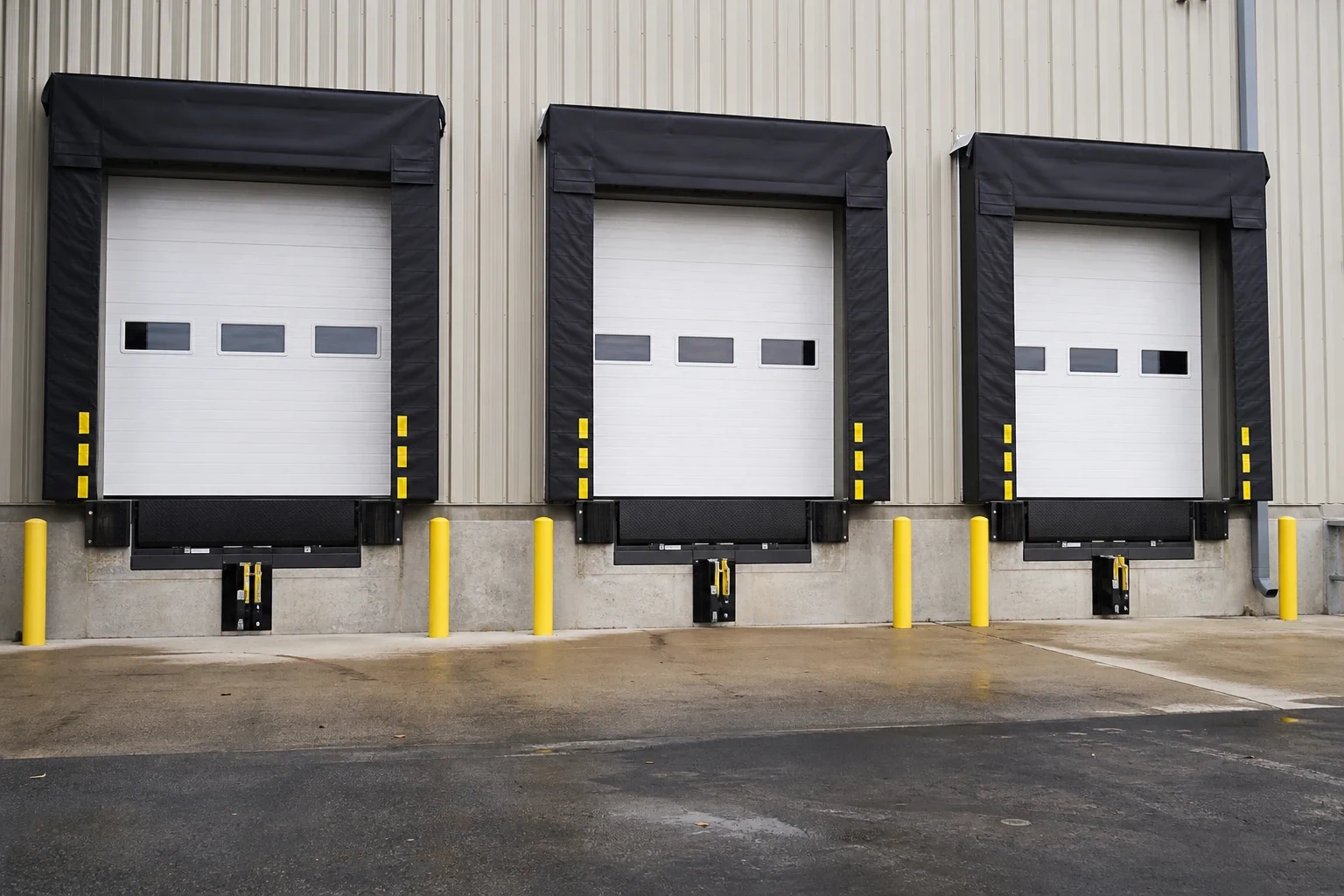
Get a straight answer on repair or replace
Tell us what is happening at your dock. We will look at it, explain your options and put the plan in writing before any work starts.