Our Lehighton Service Area for Loading Dock Work
Our technicians travel to receiving docks throughout the Lehighton area and diagnose dock levelers, overhead doors and vehicle restraints right where they sit. You get an honest read on whether a repair will last or a replacement is the smarter spend, so your doors get back to work sooner.
The Towns and Facilities We Cover
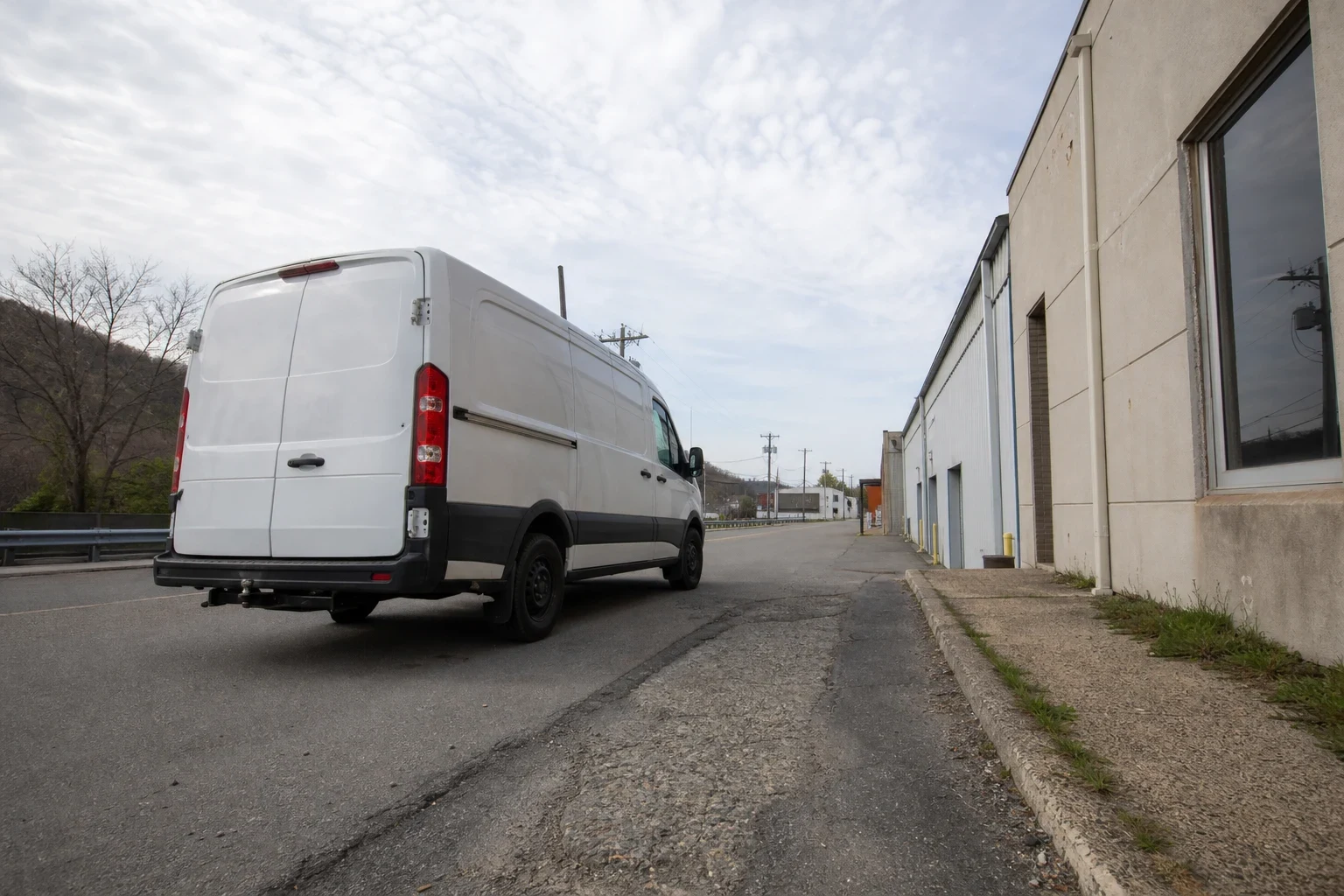
Distribution centers, factories, supermarket and store receiving areas, and trucking terminals all rely on us to keep their docks running. We work in Lehighton and travel regularly to Palmerton, Jim Thorpe, Franklin, Mahoning and East Penn, as well as Washington, Towamensing, West Penn, Slatington and Lansford. If your building is somewhere in between, a phone call is all it takes to set up a visit.
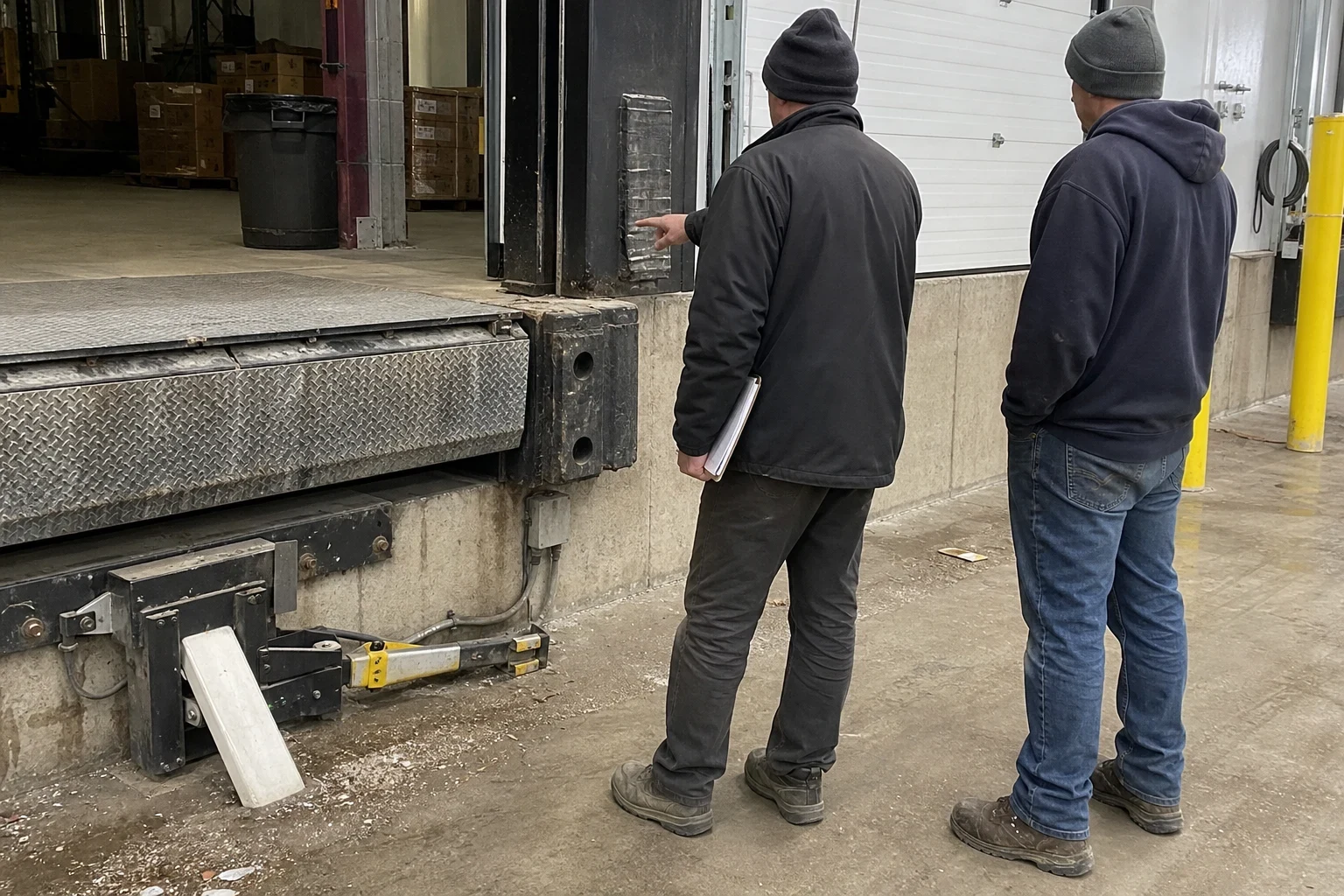
The process does not change with the zip code on the building. We inspect the equipment, show you the worn or broken parts, and lay out your choices without jargon. A lot of the time the fix is a new hinge pin, a rebuilt hydraulic cylinder or a fresh spring rather than an entire unit. If a leveler pit is cracked through or a door panel has taken too many hits to run straight, we tell you that plainly and explain what replacement would involve. We plan the work around your receiving windows so trucks can keep loading at the doors we are not working on.
Towns we cover from Lehighton
- Lehighton
- Palmerton
- Jim Thorpe
- Franklin
- Mahoning
- East Penn
- Washington
- Towamensing
- West Penn
- Slatington
- Lansford
Not on the list? Call (570) 672-5987 and ask.
What Local Conditions Mean for Your Dock Equipment
- Older buildings and mixed equipment
- Many facilities in the area have been added onto over the years, so one building can have mechanical levelers at some doors and hydraulic units at others, plus overhead doors of different ages. We are used to working on a mix of brands and vintages, and we check whether parts are still available before recommending a repair, so you are not left waiting on something that no longer exists.
- Cold winters and freeze-thaw cycles
- Winter here brings snow, ice and road salt tracked onto the dock by every trailer. Moisture gets into leveler pits and freezes, salt eats at steel lips and hinges, and door bottom seals stiffen and tear. Hydraulic fluid thickens in the cold, which can make a leveler slow to rise. A fall check of seals, weatherstripping and hydraulics heads off a lot of midwinter trouble, which is why many customers set up preventative maintenance before the first hard freeze.
- Humid summers and heavy traffic
- Warm, damp months bring their own wear. Surface rust spreads on uncoated steel, and busy shipping seasons put extra cycles on doors and restraints. We look for loose anchors, worn rollers and cables, and restraint hooks that no longer engage cleanly, since those are the parts that tend to fail when a dock is running hard.
- Permits and inspections
- Routine repairs at an existing dock usually do not need a permit. New equipment installation, pit work or changes to a building opening may need approval from your local municipality, and rules vary from one township or borough to the next. When a job calls for it, we tell you up front and factor that step into the schedule so there are no surprises.
Get an Honest Repair-or-Replace Answer
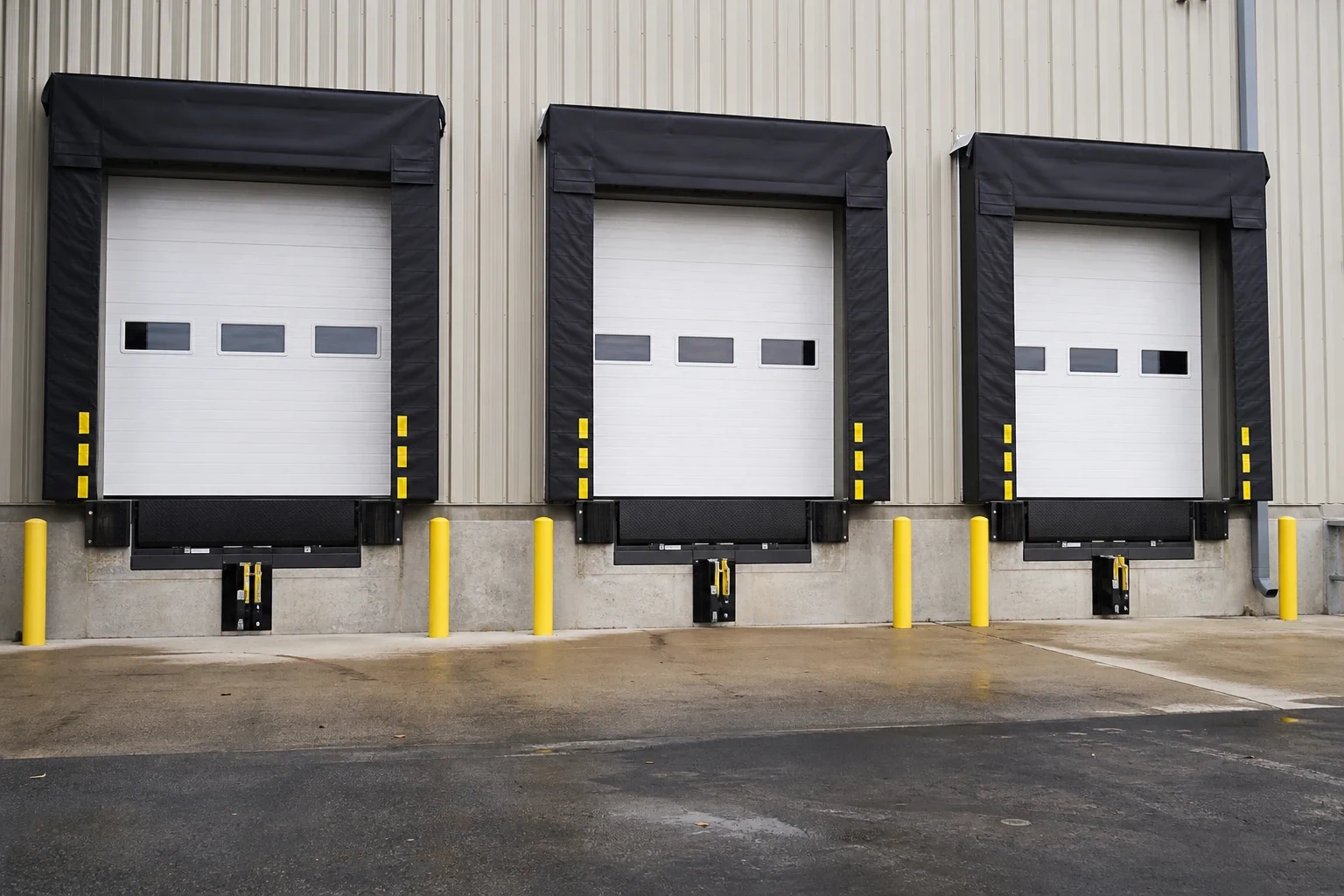
Give us a quick rundown of the symptoms over the phone. We will explain the likely cause, how a site visit works and how to fit it around your shipping hours. Nothing gets worked on until you know whether repair or replacement is the better call.