ServicesPreventative Maintenance
Loading Dock Preventative Maintenance in Lehighton
We inspect, adjust and service your dock levelers, overhead doors and vehicle restraints on a schedule that fits your shifts. Small problems get fixed on the visit, and you get a plain report on what needs attention next, so downtime stays planned instead of sudden.
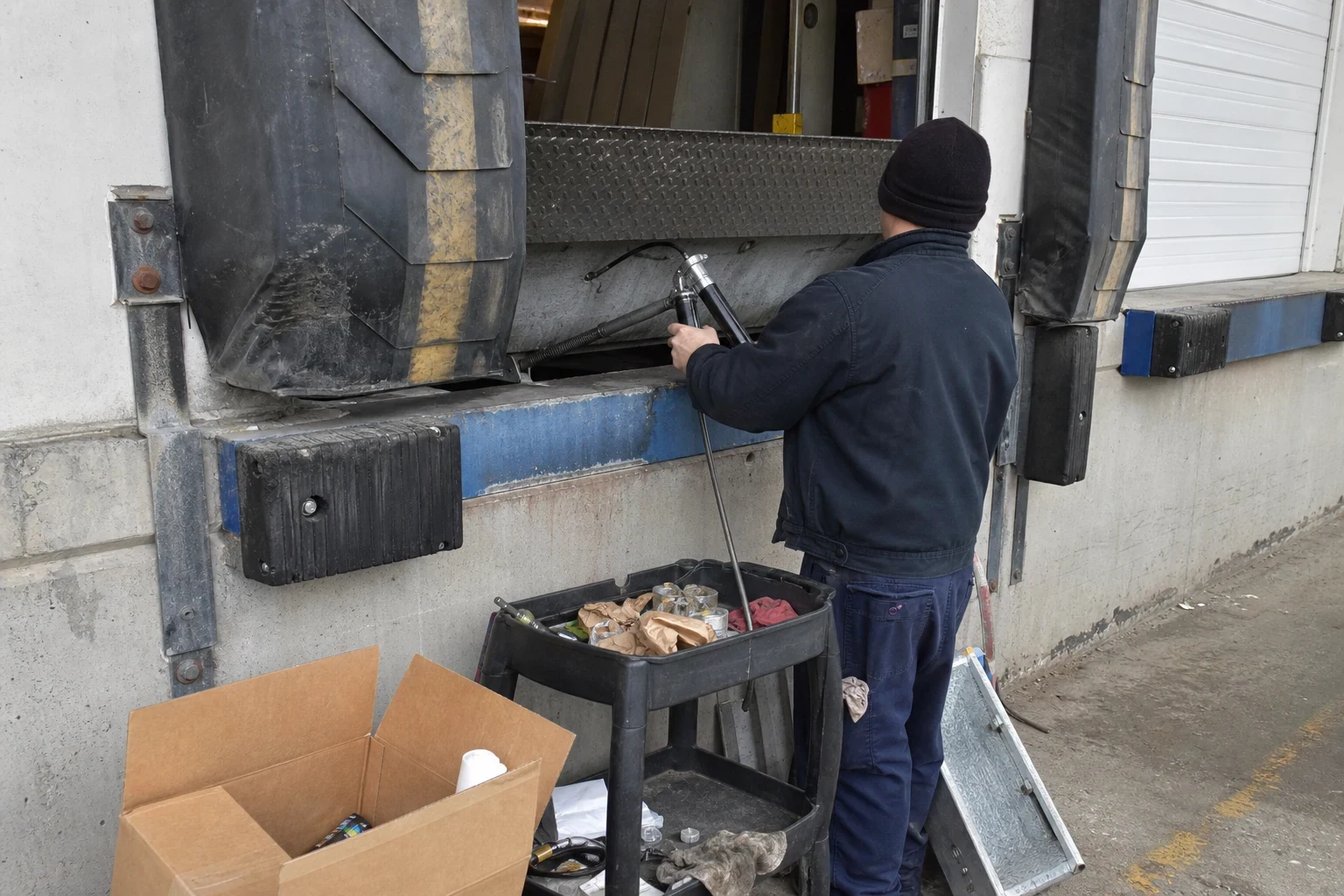
Keeping Your Dock Running Between Repairs
A loading dock takes a beating. Every forklift crossing loads the leveler hinge, every door cycle wears the springs and rollers, and every trailer that backs in leans on the bumpers. Most breakdowns start as something small: a weeping hydraulic hose, a frayed door cable or a restraint hook that no longer seats fully.
Preventative maintenance means catching those things while they are still cheap and quick to fix. We work position by position, take care of adjustments and lubrication on the spot, and write down anything that needs a part or a second visit.
Our approach is repair first. If a worn component can be replaced and the equipment has years left in it, that is what we recommend. When a leveler or door is past the point where repairs make sense, we tell you why and show you what we found, so you can budget for it instead of being surprised.
What We Check on Each Maintenance Visit
- Leveler service
- On hydraulic levelers we look at fluid, hoses and cylinders, and on mechanical units the springs and hold-downs. We examine the lip hinge, deck plate and toe guards, then cycle the leveler fully to make sure it rises, extends and stores correctly.
- Overhead door checks
- We inspect and adjust springs, cables, drums, rollers and tracks, test the door's balance and grease the moving parts. We also look at bottom seals and weatherstripping, because a gap there lets cold air and moisture into the building all winter long.
- Restraint testing
- We make sure the hook or barrier catches the trailer's rear impact guard and stays locked. Inside and outside signal lights and any interlocks are tested so drivers and dock crews get the same signal.
- High speed doors and rolling grilles
- On high speed doors we go over controls, sensors, curtains and guides. On rolling grilles we check slats, locks and travel. The goal is a clean open and close on every cycle.
- Bumpers, seals and pit
- When bumpers wear down, trailers hit the dock face and the leveler lip. We record bumper wear, torn seals or shelters, and any debris or pooled fluid in the leveler pit.
- Written report and photos
- Once we finish, you receive a list of what we adjusted, what we repaired and what still needs work, with safety items at the top. Photos show you exactly what we found.
Signs Your Dock Is Overdue for Service
The leveler drifts or moves slowly
A deck that sinks under load or takes longer to raise often points to low fluid, a leaking hose or a tired pump. Caught early, these are usually simple repairs.
The lip does not fully extend
If the lip stops short or hangs up, forklifts end up crossing an uneven gap. That is a safety problem and it wears the hinge faster.
Doors are loud, jerky or out of balance
Grinding or banging as the door travels, or a door that creeps down after you let go, tends to come from rollers worn flat, a cable that has stretched or springs that are getting weak.
Signal lights tell different stories
When the inside light says locked and the trailer is not secured, drivers and loaders lose trust in the system. That calls for a check right away.
Fluid in the pit
Hydraulic oil on the pit floor is a slow leak that will eventually leave the leveler down at the worst time.
Breakdowns keep stacking up
If you are calling for repairs every few weeks, a regular maintenance schedule usually costs less than chasing failures one at a time.
What Shapes the Cost of Maintenance
Maintenance pricing depends mostly on how much equipment we are looking after and what shape it is in. We explain the scope before work starts, and any repair beyond routine adjustments is discussed with you first. You get your quote by phone after we talk through your dock.
Number of positions
A two-door receiving area at a grocery store takes far less time than a long row of doors at a distribution center.
Type and age of equipment
Hydraulic levelers, mechanical levelers, high speed doors and restraints each have their own checklist. Older equipment often needs more parts and attention.
Visit frequency
Facilities running multiple shifts may need more frequent visits than a dock used a few times a day.
Parts and repairs found
Hoses, springs, cables, rollers and bumpers are priced separately from the inspection, and we review them with you before replacing anything.
Scheduling around operations
Working early, late or around a heavy receiving window can affect how the visit is planned.
How a Maintenance Visit Works
- 1
A call about your dock
Tell us how many dock positions and doors you have, what equipment is on them and when your receiving is busiest. We plan the visit around that.
- 2
Position-by-position inspection
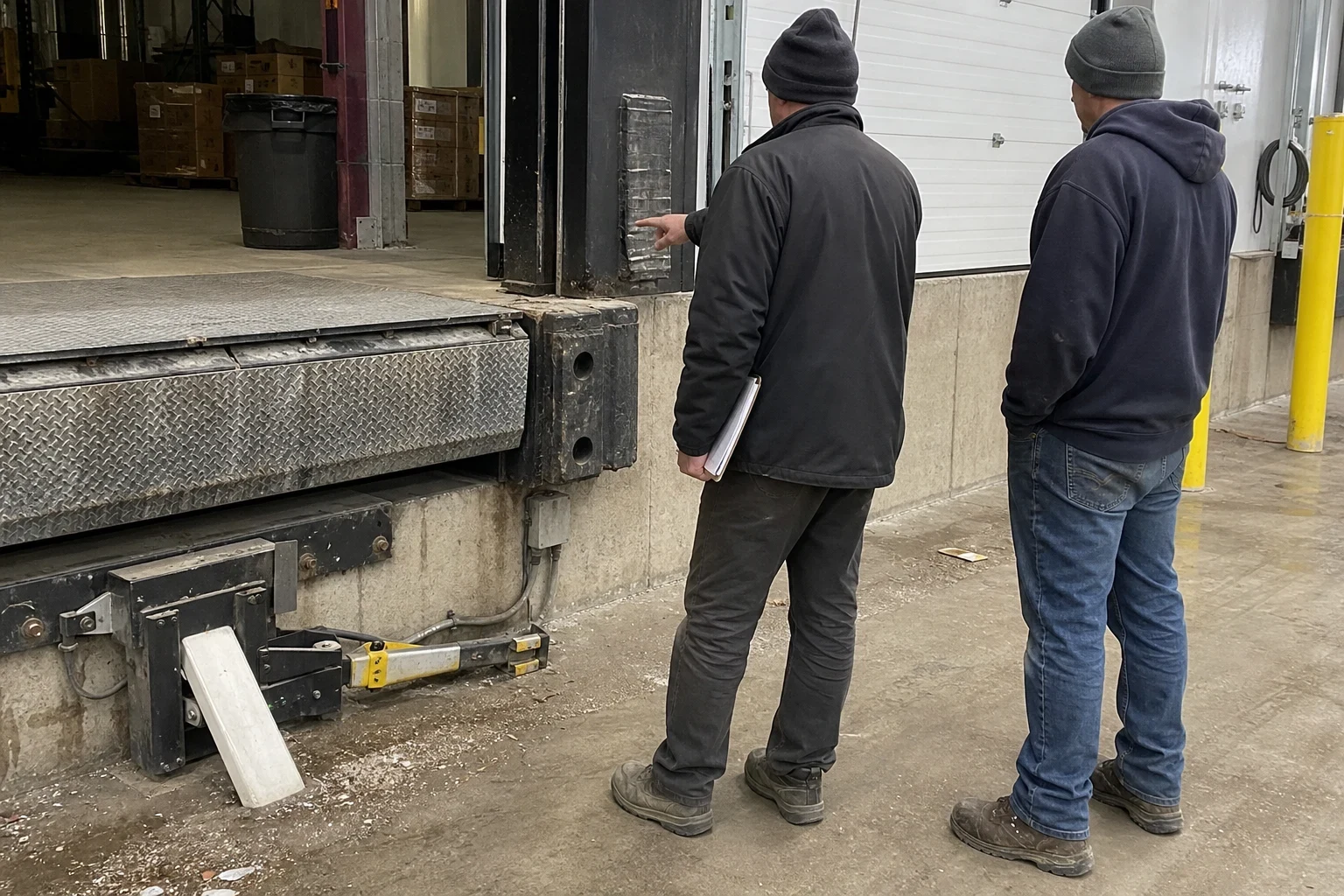
On site, we take the positions one by one and leave the other doors free for trucks. Every leveler, door and restraint at that spot gets cycled, inspected and adjusted before we move down the line.
- 3
Fixes done on the visit
Lubrication, adjustments and small part swaps happen right then. If something is unsafe to use, we show your supervisor and help take that position out of service until it is repaired.
- 4
Report and recommendations
We walk you through the report, separating what is urgent from what can wait. Where repair makes sense, we say so. Where replacement is the better money, we explain why.
- 5
Next visit on the calendar
Busy docks and older equipment need more frequent visits. We suggest a schedule and keep notes from each visit so trends are easy to spot.
Preventative Maintenance Questions
How often does our loading dock need a maintenance visit?
That comes down to traffic and the age of your equipment. Many facilities do well with visits a few times a year, while high-traffic warehouses running multiple shifts may want more. After the first visit we suggest a schedule based on what we actually see.
Can you work without shutting down our whole dock?
Yes. Only the position we are working on is closed, and trucks keep using the rest. Let us know your busiest receiving windows and we will plan around them.
Will you try to sell us new equipment?
No. We recommend repair whenever it is the sensible choice. If a leveler or door is worn past the point where repairs pay off, we show you the photos and explain the reasoning so you can decide on your own timeline.
What happens if you find something unsafe?
We stop and show your supervisor right away. A position with a failed restraint, a broken spring or a leveler that will not hold should not stay in use, so we help take it out of service until it can be repaired.
We have a mix of equipment from different makers. Is that a problem?
Mixed docks are common, especially at facilities that have grown over the years. Tell us what you have when you call and we will let you know how we can help.
Do you serve facilities outside Lehighton?
Yes. We look after docks across the surrounding area, including Palmerton, Jim Thorpe and Slatington. The Service Areas page lists more.
Put Your Dock on a Maintenance Schedule
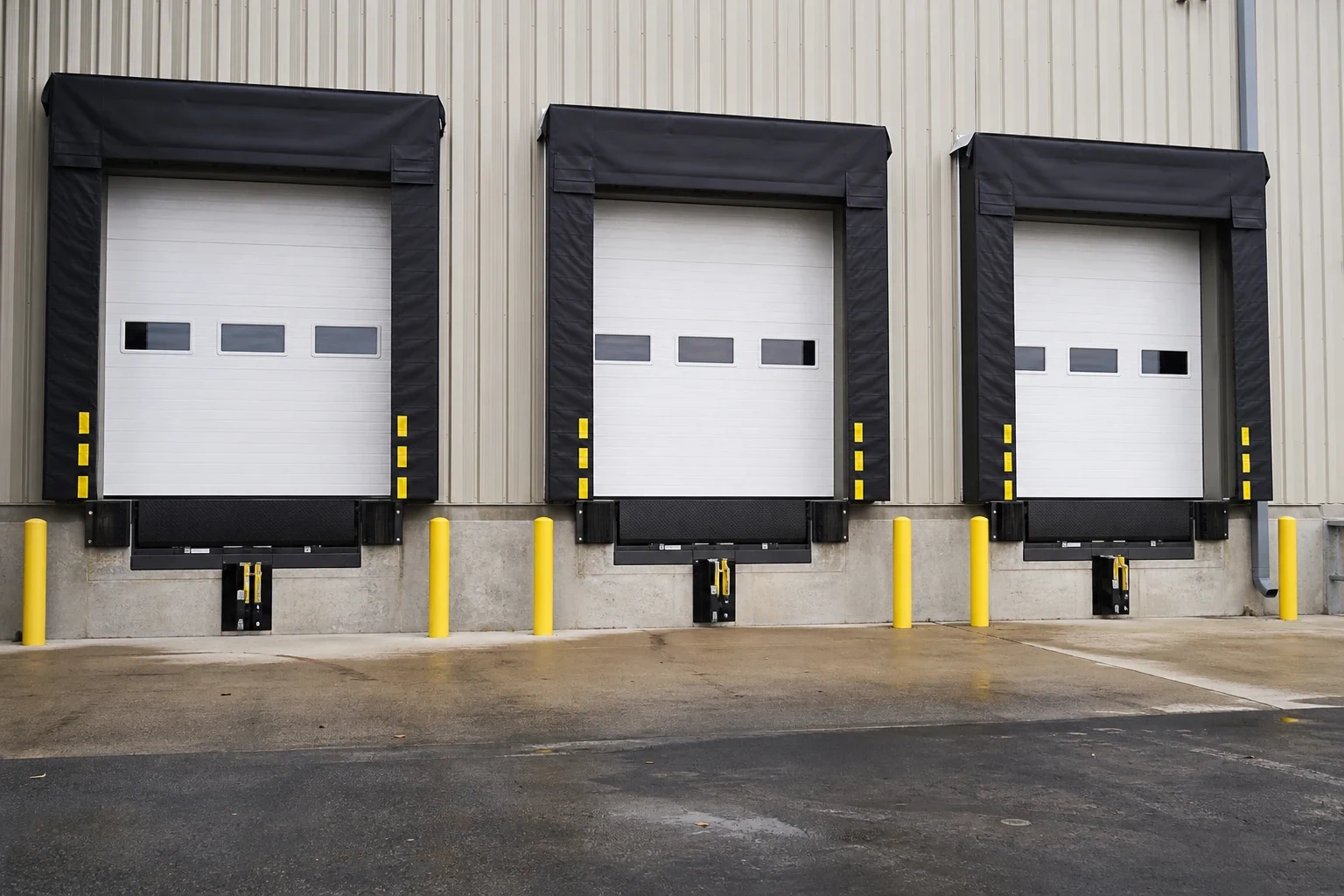
A short call is all it takes to plan your first visit. We will ask about your doors and equipment, then set a time that keeps your trucks moving.